
-
2D animation
- Motion Graphics - How to Bring Your Brand to Life Through Animated Graphics
- Production of business and advertising animations
- Storware Backup - Which companies use explainer videos?
- The role of animation in the production of advertising films
- 2D animation - Gemius AdReal
- 2D animation - Sage Symfonia Handel
- 2D animation - Campus
- Advertising animations
- 2D Animation - Orange
- Video Explainer - Dafi
- 2D animation - Playtegra
- Educational Film - Look after yourself
- Translation of films
- Unilogistics
- Eurobank
- College of Europe - Video explainer
- Animated film -Elis
- E-Containers - Product Animation
- Presentation for LED screen
- Medical animation
- The power of Facebook
- The colourful world of the Internet
- Youtube animation
- Computer animation
- Animated film
- 2D animation
- Computer animation studio
- Website animation
- Animated video
- Advertising animation
- Promotional presentation
- Animation for a new product
- Animacja intro
- Show all articles ( 18 ) Collapse Articles
-
3D animation
- Motion Graphics - How to Bring Your Brand to Life Through Animated Graphics
- Production of business and advertising animations
- Health and safety training video - Viterra
- Product video - Castrol
- The role of animation in the production of advertising films
- Product animation - Fescue
- 3D Animation - MPack
- ZPUE Koronea Group - technical animation
- Rendering of products
- Translation of films
- 3D presentation
- Sponsorship billboard - Bell
- Eden Springs - 3D animation
- Selena - computer animation
- Zelmer Aquawelt
- Unilogistics
- MPack - Product Presentation
- Polbram - Product 3D Animation
- Kamoka - 3D animation
- MiniMatic
- Medical animation
- MPack - 3D Animation
- KlimaTherm - Product Film
- Kaktus Ice Cream - Post-production
- Medical animation
- Product animation - exceptional attention to detail
- Pastel 3D animation - MPack
- Creating a world in 3D
- 3D component modelling
- Product film
- Medical animation
- Animated film
- 3D animation
- Computer animation studio
- Website animation
- Animated video
- Advertising animation
- Animation for a new product
- Animacja intro
- Show all articles ( 24 ) Collapse Articles
-
Business animation
-
Product animation
-
Advertising animation
-
Uncategorized
- Articles coming soon
-
Business film
-
Corporate film
- Drone footage
- Film Korporacyjny PSE
- Image films and corporate films
- Production costs for a publicity film
- Film production
- Promotional video
- Corporate film - Vastint
- Image film
- Corporate film - Zegrze
- Corporate film - AdMedia
- Translation of films
- AR Check
- Nexler
- ŁKA
- Niwa
- MPWiK
- H+H Group
- Vastint
- Vershold
- PartnersPol Group
- AR Check - promotional film
- Lumag
- Good marketing is the secret to success
- Get to know us - promotion through film
- Video on Youtube
- Training film editing
- Film na stronę internetową
- Conference report
- Educational spots
- Video commercial production
- Information and promotional film
- Video image
- Show all articles ( 17 ) Collapse Articles
-
Product film
- Explainer Video
- Product video - Castrol
- Production of educational films
- The power of advertising film production in modern marketing
- Image film
- Film production
- ZPUE Group - 3D Product Film
- Product animation - Fescue
- Image film - Krosno
- Product film
- WeGirls
- Dr Carrot
- Zelmer
- Dafi
- Korbo
- Dafi
- Korbo bricks
- Dafi
- Clinic Dentist
- Infracert
- Vastint
- MPWiK - Instagram film
- AR Check - promotional film
- Company film
- KlimaTherm - Product Film
- Medical presentation - a way to show the impossible
- A different face of cartoons
- Food stylist
- Image and sound post-production
- Product film
- Training film editing
- TV spot production
- Film na stronę internetową
- Instructional film production
- Conference report
- Educational spots
- Information film
- YouTube content production
- Advertising animation
- Video commercial production
- Information and promotional film
- Video image
- Animation for a new product
- Film reklamowy na stronę www
- Film video i usługi fotograficzne dla gmin.
- Wizerunkowy film korporacyjny
- Show all articles ( 31 ) Collapse Articles
-
Promotional video
- Explainer Video
- Product video - Castrol
- Film Korporacyjny PSE
- Production of educational films
- The latest trends in video marketing
- How do you create a product publicity video?
- The power of advertising film production in modern marketing
- Production of television commercials
- Film production
- Promotional Film - Dr Carrot - Visionary
- Promotional video - Górski Eagles
- Promotional video - GOOD FOR U
- Promotional video - Mobilemed
- Promotional video
- Video marketing - School
- Promotional film - How to quickly get clients?
- Translation of films
- Warsaw Waterworks
- AR Check
- Olala
- Food Service Summit 2017
- Berling
- Schöller - video
- Dr Marchewka - Promotions
- MPWiK - "Tap water"
- Arabian Travel Market
- Infracert
- Bond - post-production
- Vastint
- Vershold
- AR Check - promotional film
- Lufthansa
- Lumag
- Company film
- KlimaTherm - Product Film
- The magic of film
- Get to know us - promotion through film
- More and less traditional shots
- Design, arrangement, visualisation
- Video on Youtube
- Promotion on the internet
- Product film
- Felieton filmowy – jak go przygotować? Przykład dla Toyoty
- Promotional video editing
- Film na stronę internetową
- Conference report
- Educational spots
- Film na stronę internetową
- Information film
- Production of film commercials
- YouTube content production
- Video image
- Production of rolls for social media
- Film reklamowy na stronę www
- Produkcja spotu promocyjnego
- Film video i usługi fotograficzne dla gmin.
- Training videos
- Wizerunkowy film korporacyjny
- Show all articles ( 43 ) Collapse Articles
-
Brand promotion video
-
Drone filming
-
Conference recording
- Professional Filming and Recording of Conferences
- Streaming Video
- Training videos
- Promotional video - Górski Eagles
- Film from the fair
- Presentation for the conference
- Food Service Summit 2017
- Live broadcasts, i.e. streaming video
- Streaming video - Arabian Travel Market
- Felieton filmowy – jak go przygotować? Przykład dla Toyoty
-
Recording of training
-
Film production
- Professional Filming and Recording of Conferences
- Product video - Castrol
- Production of television commercials
- Production costs for a publicity film
- Promotional video
- Advertising film - KitKat
- Corporate film - Zegrze
- Corporate film - AdMedia
- Film reklamowy
- Production of advertising films
- Recruitment video, or employee wanted!
- Film production - business risk
- Dafi
- MPWiK - spot video
- Wellness in the company
- EY Business Advisory
- College of Europe
- Lufthansa
- FHD - television advert
- The contemporary world of advertising
- Advertising films and the specifics of their production
- Street poll, or everyone has something to say
- Advertising as a lever of trade!
- More and less traditional shots
- Food stylist
- Advertising spot
- Image and sound post-production
- Product film
- Conference report
- Vocational films
- Production of film commercials
- Video commercial production
- Information and promotional film
- Wizerunkowy film korporacyjny
- Show all articles ( 19 ) Collapse Articles
-
Videofilming
-
Training video
- Production of educational spots
- Health and safety training video - Viterra
- Health and safety training film
- Training film - Abplanalp
- Corporate film - AdMedia
- Training video
- Instructional video - Chopin Airport
- Training film Portos
- Grena training film
- Lokum Deweloper
- LOT
- H+H Group
- HEPU - Training Films
- Training videos
- A different face of cartoons
- Educational film
- Felieton filmowy – jak go przygotować? Przykład dla Toyoty
- Show all articles ( 2 ) Collapse Articles
-
Corporate animation
- Health and safety training video - Viterra
- Storware Backup - Which companies use explainer videos?
- 2D NetDC animation
- ZPUE Group - 3D Product Film
- Product animation - Fescue
- 3D Animation - MPack
- 2D animation - Campus
- ZPUE Koronea Group - technical animation
- Unilogistics
- Computer animation studio
- Website animation
-
Technical animation
- Health and safety training video - Viterra
- Product video - Castrol
- Product animation - Fescue
- Technical animation - OPI
- Technical animation
- 2D Animation - SMSAPI Shortcode
- Eden Springs - 3D animation
- Unilogistics
- College of Europe - Video explainer
- Sciton - 3D presentation
- Skylogic - animated film
- TopSerw
- MiniMatic
-
Educational film
- Health and safety training video - Viterra
- Health and safety training film
- Image films and corporate films
- Training film - Abplanalp
- Production costs for a publicity film
- Promotional video
- Educational Film - Look after yourself
- Video on Instagram - MPWiK
- Image film - Krosno
- Instructional video - Chopin Airport
- Selena - computer animation
- Dafi
- College of Europe - Video explainer
- LOT
- Clinic Dentist
- H+H Group
- Training film editing
- Show all articles ( 2 ) Collapse Articles
-
Instructional video
- Health and safety training video - Viterra
- Health and safety training film
- Training film - Abplanalp
- Production costs for a publicity film
- Promotional video
- 2D animation - Polish Bus
- Video on Instagram - MPWiK
- Corporate film
- Translation of films
- Selena - computer animation
- Clinic Dentist
- HEPU - Training Films
- A different face of cartoons
- Educational film
- Training film editing
-
Marketing presentation
- Health and safety training video - Viterra
- myPhone - 3D presentation
- Sciton - 3D presentation
- KlimaTherm - Product Film
- Medical presentation - a way to show the impossible
- Pastel 3D animation - MPack
- PowerPoint Presentation - A Way to Promote
- Presentation - for whom and why?
- Multimedia presentation
- Present yourself to the world - an image presentation
- Presentation in business
- Touchscreen presentation
-
Creation of presentations
-
Animation production
-
Film production
- Product video - Castrol
- Production of educational films
- Production of television commercials
- Film production
- Advertising film - KitKat
- Advertising spots
- Promotional Film - Dr Carrot - Visionary
- Corporate film - AdMedia
- Film reklamowy
- Production of advertising films
- Video marketing - School
- Content video
- Recruitment video, or employee wanted!
- Film production - business risk
- Advertising film
- Nescafe Azera
- SPHINX season
- Carefree on holiday
- Korbo bricks
- Dafi
- MPWiK - spot video
- Wellness in the company
- EY Business Advisory
- College of Europe
- PartnersPol Group
- Lufthansa
- FHD - television advert
- Advertising and its impact on your success
- Good marketing is the secret to success
- Advertising as a lever of trade!
- Production of training films
- TV spot production
- Instructional film production
- Conference report
- Animated video
- Vocational films
- Film na stronę internetową
- Information film
- Production of film commercials
- YouTube content production
- Advertising animation
- Video commercial production
- Video image
- Production of rolls for social media
- Film reklamowy na stronę www
- Produkcja spotu promocyjnego
- Film video i usługi fotograficzne dla gmin.
- Training videos
- Wizerunkowy film korporacyjny
- Show all articles ( 34 ) Collapse Articles
-
Documentary
-
Image film
- Film Korporacyjny PSE
- Lumag - film translation
- Image films and corporate films
- Image film
- Corporate film - Vastint
- Image film - Eurocash
- Corporate film - Zegrze
- Promotional video - Mobilemed
- Corporate film
- Video marketing - School
- Instructional video - Chopin Airport
- Frédéric Chopin
- Warsaw Waterworks
- Prestige VT
- Unilogistics
- College of Europe
- Schöller - video
- PTO
- Sage
- MPWiK - "Tap water"
- Lightning - post-production
- Wellness in the company
- Hotel & SPA
- H+H Group
- Vershold
- Lufthansa
- Lumag
- Good marketing is the secret to success
- Strengthen your image and convince your customers
- Promotion on the internet
- TV spot production
- Instructional film production
- Vocational films
- YouTube content production
- Information and promotional film
- Video image
- Produkcja spotu promocyjnego
- Training videos
- Show all articles ( 23 ) Collapse Articles
-
Animations for the LED screen
- Storware Backup - Which companies use explainer videos?
- ZPUE Group - 3D Product Film
- 2D animation - Sage Symfonia Handel
- 2D animation - Playtegra
- Educational Film - Look after yourself
- Video Explainer - Elis
- 2D Animation - SMSAPI Shortcode
- 2D animation - eCard
- Combilift
- Zelmer
- myPhone - 3D presentation
- Unilogistics
- Eurobank
- College of Europe - Video explainer
- Sciton - 3D presentation
- Animated film -Elis
- Orange FunBox
- MiniMatic
- Show all articles ( 3 ) Collapse Articles
-
Business photography
-
Production house
- Production house
- Sponsorship spot - Bond
- Film reklamowy
- Sponsorship disclosure - post-production
- Corporate film
- BEKO
- Television Advertisement - Little Tikes
- Advertising and its impact on your success
- The contemporary world of advertising
- Advertising films and the specifics of their production
- Advertising as a lever of trade!
- More and less traditional shots
- Food stylist
- Advertising spot
- Advertising film
- Post-production studio
- Television advertising
- Show all articles ( 2 ) Collapse Articles
-
3D product animation
- The role of animation in the production of advertising films
- Product animation - Fescue
- ZPUE Koronea Group - technical animation
- Rendering of products
- 3D presentation
- Eden Springs - 3D animation
- Zelmer Aquawelt
- TopSerw
- MPack - Product Presentation
- Polbram - Product 3D Animation
- Kamoka - 3D animation
- MiniMatic
- Medical animation
- Computer animation studio
- Website animation
-
Advertising film
- How do you create a product publicity video?
- Company for the production of advertising films
- Production of television commercials
- Production costs for a publicity film
- Promotional video
- Commercial film - Little Tikes
- Advertising film - KitKat
- Promotional Film - Dr Carrot - Visionary
- Promotional film - How to quickly get clients?
- Content video
- TV advertisement - the idea and creation count
- Advertising film
- Translation of films
- Palmer's
- Frédéric Chopin
- Rutinacea
- Mlekovita
- Carefree on holiday
- Schöller - video
- CUK
- Unilogistics
- MPWiK - "Tap water"
- Orange FunBox
- Educational spots
- Show all articles ( 9 ) Collapse Articles
-
Production of advertising films
-
Intro on youtube
-
Filming of conferences
-
Film subtitles
-
Video webinar
-
Video streaming
-
Video on YouTube
-
Post-production studio
- Film production
- Post-production - Orange B2S
- Business Presentation - Schöller
- TV Billboard - Vocaler
- Streaming video - Arabian Travel Market
- Film reklamowy
- Billboard sponsorship - post-production
- Sponsorship disclosure - post-production
- Rutinacea
- Green Box
- BEKO
- Berling
- 5.10.15 Kids
- Bond - post-production
- Kaktus - Post-production
- Rainbow - TV Spot
- Kenwood - post-production
- Kaktus Ice Cream - Post-production
- Sponsorem programu jest...
- Show all articles ( 4 ) Collapse Articles
-
Training presentation
-
Sponsorship Billboard
-
TV Billboard
- Sponsorship billboard
- Sponsorship spot
- Sponsorship spot - Bond
- Sponsorship disclosure - post-production
- Sponsorship billboard - Intermarche
- Sponsorship billboard - Bell
- Ludwig
- OBI
- Sponsorship Spot - ToTa
- Corega
- Krosno - Sponsorship Billboard
- Sponsorem programu jest...
- Sponsorship billboard - Krosno
- Advertising spot
- Public awareness campaign
- Television advertising
- Sponsorship billboard
- Show all articles ( 2 ) Collapse Articles
-
Advertising spot
-
Sponsorship spot
-
TV spot
-
Animation on Instagram
- ZPUE Group - 3D Product Film
- 2D animation - GlobLotto
- 2D animation - Nucleo
- 2D Animation - Orange
- Video Explainer - Dafi
- Educational Film - Look after yourself
- Sponsorship billboard - Intermarche
- RV Storage
- Selena - computer animation
- Skylogic - animated film
- Animated film -Elis
- Orange FunBox
- MiniMatic
- Computer animation studio
-
Animation for Facebook
-
Reference film
-
Computer animation
- 3D Animation - MPack
- Product animation
- Combilift
- Snowball
- SPHINX season
- E-Containers - Product Animation
- MiniMatic
- Medical animation
- MPack - 3D Animation
- The unusual face of technology
- Product animation - exceptional attention to detail
- A three-dimensional world of possibilities
- 3D component modelling
- Youtube animation
- Computer animation
-
Business presentation
- Business Presentation - Schöller
- Training presentation
- 2D Animation - Orange
- 3D presentation
- PAIH
- Grecos
- Presentation for the conference
- Zelmer
- Berling
- Unilogistics
- myPhone - 3D presentation
- Unilogistics
- College of Europe - Video explainer
- LOT
- Lightning - post-production
- Product presentation
- Sciton - 3D presentation
- Skylogic - animated film
- MPack - Product Presentation
- Orange FunBox
- Strengthen your image and convince your customers
- PowerPoint Presentation - A Way to Promote
- Widespread use of multimedia presentation
- Professional company promotion
- Presentation in business
- Promotional presentation
- Show all articles ( 11 ) Collapse Articles
-
Sound studio
-
Corporate spot
-
Event presentation
-
Webinar presentation
-
Film for Facebook
-
Video on Instagram
-
Television advertising
- Advertising spot - CUK
- Advertising spots
- Facebook video - Rainbow Tours
- Promotional film - How to quickly get clients?
- Content video
- TV advertisement - the idea and creation count
- Advertising film
- Rutinacea
- WeGirls
- Dr Carrot
- Television Advertisement - Little Tikes
- FHD - television advert
- Advertising and its impact on your success
- The contemporary world of advertising
- Advertising films and the specifics of their production
- Advertising as a lever of trade!
- Sponsorship billboard - Krosno
- Advertising spot
- Television advertising
- Image and sound post-production
- Advertising film
- Television advertising
- Show all articles ( 7 ) Collapse Articles
-
PowerPoint presentation
-
Video Explainer
- 2D animation - Campus
- Video Explainer - Dafi
- Image film - Krosno
- 2D animation - eCard
- Ring King
- Combilift
- Unilogistics
- Eurobank
- College of Europe - Video explainer
- Presentation for LED screen
- MPack - 3D Animation
- The unusual face of technology
- The power of Facebook
- Pastel 3D animation - MPack
- A different face of cartoons
- Product film
- Medical animation
- Animation production
- Show all articles ( 3 ) Collapse Articles
-
Company presentation
- 2D Animation - Orange
- 3D presentation
- PAIH
- Grecos
- Presentation for the conference
- myPhone - 3D presentation
- Product presentation
- Sciton - 3D presentation
- TopSerw
- MPack - Product Presentation
- Orange FunBox
- Medical presentation - a way to show the impossible
- PowerPoint Presentation - A Way to Promote
- Widespread use of multimedia presentation
- Professional company promotion
- Touchscreen presentation
- Show all articles ( 1 ) Collapse Articles
-
Blog
-
Internet advertising
-
Product presentation
-
Presentation for the conference
-
3D presentation
-
Medical animation
-
Image presentation
-
Recording voiceover
-
Public awareness campaign
-
Multimedia presentation
3D component modelling
Modelowanie 3d – to jedna z realizacji Simple Frame. Poniżej opisujemy, jak powstał ten projekt, jakie cele realizował i jak wyglądała współpraca z klientem.
Modelowanie elementów 3D to pierwszy i często najbardziej pracochłonny etap tworzenia animacji. Poniżej pokazujemy, jak z punktów, linii i brył powstają wirtualne produkty, przedmioty i postacie gotowe do animowania.
3D animation is a very popular, modern form of image representation. We use it in cinema films, TV commercials and small product projects. As current technology, programmes and gadgets have changed significantly, the potential for using animation has increased significantly.
The creation of 3D animation consists of several stages. Depending on the complexity of the scenes, the number of objects, the quality or detail of the the animation creation process will last a long or short time. We certainly know from television or cinema many animated entertainment films, especially for children. Usually such films show an unreal world, a fantasy reality in which knights fight dragons or we follow the adventures of invented characters. Such 3D animation is very time-consuming, often requiring the collaboration of multiple animators and graphic designers. Above all, it involves the modelling of 3D elements - a stage that is both extremely creative and difficult.
https://vimeo.com/438479129
Modelling stage
Modelling is one of the stages in the creation of animated films, a very important stage. As an interesting aside, in the world of cinema, popular animated films took months, even years, to make! First of all, a script is created, then the modellers model every element, every thing, character, heroes that will appear in the film. Usually these are completely invented elements and worlds, just look at the very popular fairy tale series 'Shrek' or the Oscar-winning animated film 'Coco'. Both of these productions are very popular and brilliantly done! Thanks to the fact that the modellers showed off great work in creating every element, from the pebbles to the main characters, the animators had great material to put into motion. This is roughly how the work on most of the animations is done:
Modelling - animating
In small productions, such as product animation whether the work logo looks the same.
- First of all, it is necessary to establish with the client exactly what is to be included in the animation, what elements.
- If possible, the customer provides his products or many detailed product images. The more the better! It is important that they show the exact structure, different perspectives, every important detail. All this will help the modeller a lot in making a copy of the product on the computer. After all, the idea is to show the product as faithfully and genuinely as possible. Then the creative fun begins....
- The modeller, using the appropriate software: creates points. He connects the points with lines. Connected lines form figures. Figures (triangles, squares...) are joined together to form whole solids.
- Once he has modelled the solids into specific elements: a tube of cream, a table, a tree or a face, he carefully checks that it looks good from every perspective.
- If the element is ready, perfectly mirrors the real prototype, has exactly the same dimensions, and is at the right scale to the rest of the elements in the composition, it passes into the hands of the animator.
Animation stage
When all the necessary elements are transferred into the virtual world - they are modelled, the animator creates the appropriate compositions from them. He then sets them in motion. In doing so, he gives life to each successive scene, until the final film is created. The most difficult thing in animation is to set a character in motion - be it a human, an animal or a completely invented character. Of course, as always, everything depends on the initial idea of the style and character of the animated film. However, it is the correct representation of the movement of limbs and the showing of emotions on the face that is the most difficult art in animation. Every detail, even the smallest detail, the movement of the smallest muscle, the right mannerism is an indicator of the quality of the animation.
[...] properly representing the movement of limbs and showing emotion on the face is the most difficult art in animation.
Producing 3D animation is a huge art! In both global productions and small projects for companies, you need to demonstrate the right commitment, knowledge and creativity. Each stage in the creation of an animation is very important, all the more so because the quality of the subsequent stages strongly depends on the previous ones. Here, everything should run like clockwork. Modelling 3D elements is a very creative and artistic part of the whole production. Sometimes it takes the most time. The accuracy of the modeller and the right parameters of the things he creates will improve the work in the next stage.
Modelowanie 3d – etapy pracy nad wizualizacją 3D
Modelowanie 3d – przewaga nad filmem. W animacji 3D produkt może istnieć, zanim powstanie pierwszy egzemplarz. Można go obracać, rozkładać na części i pokazywać w dowolnym otoczeniu – bez kosztów planu zdjęciowego i transportu sprzętu.
Modelowanie 3d – wersje i formaty. Z jednego projektu przygotowujemy wersje 16:9, 1:1 i 9:16, pętle na ekrany LED, krótkie klipy do social mediów oraz statyczne rendery. Dzięki temu inwestycja w model 3D pracuje w wielu kanałach komunikacji.
Zobacz też nasze realizacje: 3D animation, product animation, technical animation. Więcej o tej dziedzinie przeczytasz w haśle grafika 3D. Masz pytania? Contact us.
Modelowanie 3d – modelowanie
Modelowanie 3d – modelowanie. Pracę zaczynamy od modelu 3D – na podstawie plików CAD, zdjęć lub szkiców przygotowujemy precyzyjną bryłę produktu albo urządzenia. Dokładny model pozwala później pokazać każdy detal, przekrój i mechanizm, także te elementy, których nie da się sfilmować kamerą.
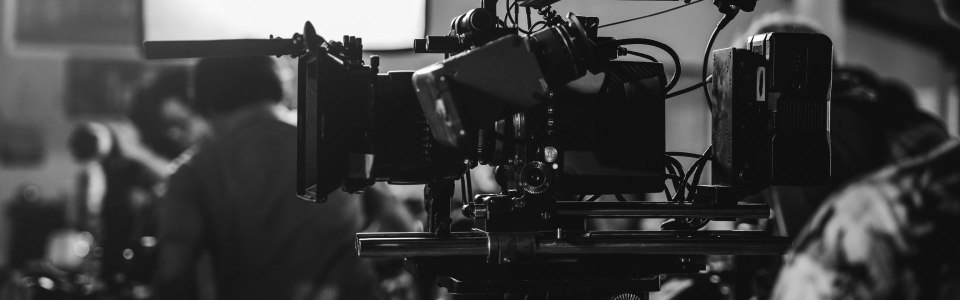
Modelowanie 3d – materiały i światło. Kolejny etap to tekstury, materiały i oświetlenie. Metal, szkło, tworzywo czy tkanina muszą wyglądać naturalnie, dlatego dobieramy parametry tak, aby obraz był realistyczny i atrakcyjny. Dobrze ustawione światło podkreśla kształt i jakość produktu.
Modelowanie 3d – animacja i rendering
Modelowanie 3d – animacja i rendering. Następnie animujemy ruch kamery, montaż części, działanie mechanizmów lub przepływ procesu. Gotowe ujęcia renderujemy w wysokiej rozdzielczości i łączymy w montażu z muzyką, lektorem i grafiką informacyjną.
Modelowanie 3d – zastosowania. Animacje 3D wykorzystujemy w prezentacjach produktów, na targach, w kampaniach online, w szkoleniach technicznych i materiałach dla działów sprzedaży. Jedna scena 3D może posłużyć też do przygotowania zdjęć packshot i grafik do katalogu.
Modelowanie 3d – wiele formatów
Modelowanie 3d – wiele formatów. Z jednej realizacji przygotowujemy zwykle kilka wersji: pełną, skróconą, pionową i kwadratową. To prosty sposób, aby jedna produkcja pracowała w wielu kanałach komunikacji jednocześnie.
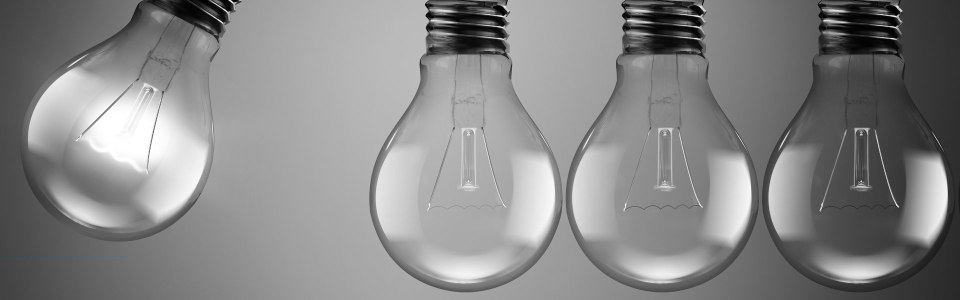
Modelowanie 3d – jakość techniczna. Pracujemy na profesjonalnym sprzęcie filmowym, z dbałością o światło, dźwięk i kolor. Materiały oddajemy w wysokiej rozdzielczości, gotowe do emisji w telewizji, internecie i na dużych ekranach.
Modelowanie 3d – wsparcie po realizacji
Modelowanie 3d – wsparcie po realizacji. Po zakończeniu projektu pomagamy w publikacji, przygotowujemy miniatury, napisy i opisy do platform wideo. Na prośbę klienta aktualizujemy materiał, gdy zmienia się oferta lub identyfikacja wizualna.
Modelowanie 3d – portfolio. W naszym portfolio znajdziesz filmy reklamowe, korporacyjne, szkoleniowe i animacje 2D oraz 3D dla marek z Polski i zagranicy. To najlepszy sposób, aby zobaczyć, jak podobny projekt może wyglądać w praktyce.
Efekt
Gotowy materiał wspiera sprzedaż, wizerunek i rozpoznawalność marki. Często z jednej produkcji powstaje kilka formatów, które pracują w kampanii przez wiele miesięcy.
Brief. Każdy projekt zaczynamy od briefu: celu, grupy odbiorców, kanałów publikacji i terminu. To pozwala dobrać najlepszą formę – film, animację, spot reklamowy lub prezentację.
Koncepcja
Przygotowujemy pomysł i scenariusz, a przy bardziej złożonych realizacjach także storyboard. Klient akceptuje każdy etap, zanim przejdziemy do kolejnego.
Realizacja. Zdjęcia, animacja lub połączenie obu technik – dobieramy narzędzia do przekazu. Pracuje przy tym doświadczony zespół reżyserów, operatorów, grafików i animatorów.
Post-production
Montaż, kolor, dźwięk, grafika i napisy nadają materiałowi ostateczny kształt. Przygotowujemy wersje na wszystkie potrzebne kanały.
Modelowanie 3d – najczęstsze pytania
How long does the implementation take? Od trzech do ośmiu tygodni – w zależności od liczby modeli, scen i poziomu realizmu.
Czy potrzebne są pliki CAD? Nie są konieczne, ale bardzo przyspieszają pracę i zwiększają precyzję modelu.
Czy można dodać lektora? Tak, przygotowujemy wersje z lektorem i napisami w różnych językach.
Gdzie wykorzystać animację? Na stronie produktu, na targach, w prezentacjach handlowych, szkoleniach i kampaniach reklamowych.