
-
2D animation
- Motion Graphics - How to Bring Your Brand to Life Through Animated Graphics
- Production of business and advertising animations
- Storware Backup - Which companies use explainer videos?
- The role of animation in the production of advertising films
- 2D animation - Gemius AdReal
- 2D animation - Sage Symfonia Handel
- 2D animation - Campus
- Advertising animations
- 2D Animation - Orange
- Video Explainer - Dafi
- 2D animation - Playtegra
- Educational Film - Look after yourself
- Translation of films
- Unilogistics
- Eurobank
- College of Europe - Video explainer
- Animated film -Elis
- E-Containers - Product Animation
- Presentation for LED screen
- Medical animation
- The power of Facebook
- The colourful world of the Internet
- Youtube animation
- Computer animation
- Animated film
- 2D animation
- Computer animation studio
- Website animation
- Animated video
- Advertising animation
- Promotional presentation
- Animation for a new product
- Animacja intro
- Show all articles ( 18 ) Collapse Articles
-
3D animation
- Motion Graphics - How to Bring Your Brand to Life Through Animated Graphics
- Production of business and advertising animations
- Health and safety training video - Viterra
- Product video - Castrol
- The role of animation in the production of advertising films
- Product animation - Fescue
- 3D Animation - MPack
- ZPUE Koronea Group - technical animation
- Rendering of products
- Translation of films
- 3D presentation
- Sponsorship billboard - Bell
- Eden Springs - 3D animation
- Selena - computer animation
- Zelmer Aquawelt
- Unilogistics
- MPack - Product Presentation
- Polbram - Product 3D Animation
- Kamoka - 3D animation
- MiniMatic
- Medical animation
- MPack - 3D Animation
- KlimaTherm - Product Film
- Kaktus Ice Cream - Post-production
- Medical animation
- Product animation - exceptional attention to detail
- Pastel 3D animation - MPack
- Creating a world in 3D
- 3D component modelling
- Product film
- Medical animation
- Animated film
- 3D animation
- Computer animation studio
- Website animation
- Animated video
- Advertising animation
- Animation for a new product
- Animacja intro
- Show all articles ( 24 ) Collapse Articles
-
Business animation
-
Product animation
-
Advertising animation
-
Uncategorized
- Articles coming soon
-
Business film
-
Corporate film
- Drone footage
- PSE Corporate Film - Summary of the Year 2024
- Image films and corporate films
- Production costs for a publicity film
- Film production
- Promotional video
- Corporate film - Vastint
- Image film
- Corporate film - Zegrze
- Corporate film - AdMedia
- Translation of films
- AR Check
- Nexler
- ŁKA
- Niwa
- MPWiK
- H+H Group
- Vastint
- Vershold
- PartnersPol Group
- AR Check - promotional film
- Lumag
- Good marketing is the secret to success
- Get to know us - promotion through film
- Video on Youtube
- Training film editing
- Film na stronę internetową
- Conference report
- Educational spots
- Video commercial production
- Information and promotional film
- Video image
- Show all articles ( 17 ) Collapse Articles
-
Product film
- Explainer Video - How to Explain a Complex Product in 60 Seconds
- Product video - Castrol
- Production of educational films
- The power of advertising film production in modern marketing
- Image film
- Film production
- ZPUE Group - 3D Product Film
- Product animation - Fescue
- Image film - Krosno
- Product film
- WeGirls
- Dr Carrot
- Zelmer
- Dafi
- Korbo
- Dafi
- Korbo bricks
- Dafi
- Clinic Dentist
- Infracert
- Vastint
- MPWiK - Instagram film
- AR Check - promotional film
- Company film
- KlimaTherm - Product Film
- Medical presentation - a way to show the impossible
- A different face of cartoons
- Food stylist
- Image and sound post-production
- Product film
- Training film editing
- TV spot production
- Film na stronę internetową
- Instructional film production
- Conference report
- Educational spots
- Information film
- YouTube content production
- Advertising animation
- Video commercial production
- Information and promotional film
- Video image
- Animation for a new product
- Film reklamowy na stronę www
- Show all articles ( 29 ) Collapse Articles
-
Promotional video
- Explainer Video - How to Explain a Complex Product in 60 Seconds
- Product video - Castrol
- PSE Corporate Film - Summary of the Year 2024
- Production of educational films
- The latest trends in video marketing
- How do you create a product publicity video?
- The power of advertising film production in modern marketing
- Production of television commercials
- Film production
- Promotional Film - Dr Carrot - Visionary
- Promotional video - Górski Eagles
- Promotional video - GOOD FOR U
- Promotional video - Mobilemed
- Promotional video
- Video marketing - School
- Promotional film - How to quickly get clients?
- Translation of films
- Warsaw Waterworks
- AR Check
- Olala
- Food Service Summit 2017
- Berling
- Schöller - video
- Dr Marchewka - Promotions
- MPWiK - "Tap water"
- Arabian Travel Market
- Infracert
- Bond - post-production
- Vastint
- Vershold
- AR Check - promotional film
- Lufthansa
- Lumag
- Company film
- KlimaTherm - Product Film
- The magic of film
- Get to know us - promotion through film
- More and less traditional shots
- Design, arrangement, visualisation
- Video on Youtube
- Promotion on the internet
- Product film
- Film column
- Promotional video editing
- Film na stronę internetową
- Conference report
- Educational spots
- Film na stronę internetową
- Information film
- Production of film commercials
- YouTube content production
- Video image
- Production of rolls for social media
- Film reklamowy na stronę www
- Show all articles ( 39 ) Collapse Articles
-
Brand promotion video
-
Drone filming
-
Conference recording
-
Recording of training
-
Film production
- Professional Filming and Recording of Conferences
- Product video - Castrol
- Production of television commercials
- Production costs for a publicity film
- Promotional video
- Advertising film - KitKat
- Corporate film - Zegrze
- Corporate film - AdMedia
- Film reklamowy
- Production of advertising films
- Recruitment video, or employee wanted!
- Film production - business risk
- Dafi
- MPWiK - spot video
- Wellness in the company
- EY Business Advisory
- College of Europe
- Lufthansa
- FHD - television advert
- The contemporary world of advertising
- Advertising films and the specifics of their production
- Street poll, or everyone has something to say
- Advertising as a lever of trade!
- More and less traditional shots
- Food stylist
- Advertising spot
- Image and sound post-production
- Product film
- Conference report
- Vocational films
- Production of film commercials
- Video commercial production
- Information and promotional film
- Show all articles ( 18 ) Collapse Articles
-
Videofilming
-
Training video
- Production of educational spots
- Health and safety training video - Viterra
- Health and safety training film
- Training film - Abplanalp
- Corporate film - AdMedia
- Training video
- Instructional video - Chopin Airport
- Training film Portos
- Grena training film
- Lokum Deweloper
- LOT
- H+H Group
- HEPU - Training Films
- Effective and interesting teaching, i.e. training videos
- A different face of cartoons
- Educational film
- Film column
- Show all articles ( 2 ) Collapse Articles
-
Corporate animation
- Health and safety training video - Viterra
- Storware Backup - Which companies use explainer videos?
- 2D NetDC animation
- ZPUE Group - 3D Product Film
- Product animation - Fescue
- 3D Animation - MPack
- 2D animation - Campus
- ZPUE Koronea Group - technical animation
- Unilogistics
- Computer animation studio
- Website animation
-
Technical animation
- Health and safety training video - Viterra
- Product video - Castrol
- Product animation - Fescue
- Technical animation - OPI
- Technical animation
- 2D Animation - SMSAPI Shortcode
- Eden Springs - 3D animation
- Unilogistics
- College of Europe - Video explainer
- Sciton - 3D presentation
- Skylogic - animated film
- TopSerw
- MiniMatic
-
Educational film
- Health and safety training video - Viterra
- Health and safety training film
- Image films and corporate films
- Training film - Abplanalp
- Production costs for a publicity film
- Promotional video
- Educational Film - Look after yourself
- Video on Instagram - MPWiK
- Image film - Krosno
- Instructional video - Chopin Airport
- Selena - computer animation
- Dafi
- College of Europe - Video explainer
- LOT
- Clinic Dentist
- H+H Group
- Training film editing
- Show all articles ( 2 ) Collapse Articles
-
Instructional video
- Health and safety training video - Viterra
- Health and safety training film
- Training film - Abplanalp
- Production costs for a publicity film
- Promotional video
- 2D animation - Polish Bus
- Video on Instagram - MPWiK
- Corporate film
- Translation of films
- Selena - computer animation
- Clinic Dentist
- HEPU - Training Films
- A different face of cartoons
- Educational film
- Training film editing
-
Marketing presentation
- Health and safety training video - Viterra
- myPhone - 3D presentation
- Sciton - 3D presentation
- KlimaTherm - Product Film
- Medical presentation - a way to show the impossible
- Pastel 3D animation - MPack
- PowerPoint Presentation - A Way to Promote
- Presentation - for whom and why?
- Multimedia presentation
- Present yourself to the world - an image presentation
- Presentation in business
- Touchscreen presentation
-
Creation of presentations
-
Animation production
-
Film production
- Product video - Castrol
- Production of educational films
- Production of television commercials
- Film production
- Advertising film - KitKat
- Advertising spots
- Promotional Film - Dr Carrot - Visionary
- Corporate film - AdMedia
- Film reklamowy
- Production of advertising films
- Video marketing - School
- Content video
- Recruitment video, or employee wanted!
- Film production - business risk
- Advertising film
- Nescafe Azera
- SPHINX season
- Carefree on holiday
- Korbo bricks
- Dafi
- MPWiK - spot video
- Wellness in the company
- EY Business Advisory
- College of Europe
- PartnersPol Group
- Lufthansa
- FHD - television advert
- Advertising and its impact on your success
- Good marketing is the secret to success
- Advertising as a lever of trade!
- Production of training films
- TV spot production
- Instructional film production
- Conference report
- Animated video
- Vocational films
- Film na stronę internetową
- Information film
- Production of film commercials
- YouTube content production
- Advertising animation
- Video commercial production
- Video image
- Production of rolls for social media
- Film reklamowy na stronę www
- Show all articles ( 30 ) Collapse Articles
-
Documentary
-
Image film
- PSE Corporate Film - Summary of the Year 2024
- Lumag - film translation
- Image films and corporate films
- Image film
- Corporate film - Vastint
- Image film - Eurocash
- Corporate film - Zegrze
- Promotional video - Mobilemed
- Corporate film
- Video marketing - School
- Instructional video - Chopin Airport
- Frédéric Chopin
- Warsaw Waterworks
- Prestige VT
- Unilogistics
- College of Europe
- Schöller - video
- PTO
- Sage
- MPWiK - "Tap water"
- Lightning - post-production
- Wellness in the company
- Hotel & SPA
- H+H Group
- Vershold
- Lufthansa
- Lumag
- Good marketing is the secret to success
- Strengthen your image and convince your customers
- Promotion on the internet
- TV spot production
- Instructional film production
- Vocational films
- YouTube content production
- Information and promotional film
- Video image
- Show all articles ( 21 ) Collapse Articles
-
Animations for the LED screen
- Storware Backup - Which companies use explainer videos?
- ZPUE Group - 3D Product Film
- 2D animation - Sage Symfonia Handel
- 2D animation - Playtegra
- Educational Film - Look after yourself
- Video Explainer - Elis
- 2D Animation - SMSAPI Shortcode
- 2D animation - eCard
- Combilift
- Zelmer
- myPhone - 3D presentation
- Unilogistics
- Eurobank
- College of Europe - Video explainer
- Sciton - 3D presentation
- Animated film -Elis
- Orange FunBox
- MiniMatic
- Show all articles ( 3 ) Collapse Articles
-
Business photography
-
Production house
- Production house
- Sponsorship spot - Bond
- Film reklamowy
- Sponsorship disclosure - post-production
- Corporate film
- BEKO
- Television Advertisement - Little Tikes
- Advertising and its impact on your success
- The contemporary world of advertising
- Advertising films and the specifics of their production
- Advertising as a lever of trade!
- More and less traditional shots
- Food stylist
- Advertising spot
- Advertising film
- Post-production studio
- Television advertising
- Show all articles ( 2 ) Collapse Articles
-
3D product animation
- The role of animation in the production of advertising films
- Product animation - Fescue
- ZPUE Koronea Group - technical animation
- Rendering of products
- 3D presentation
- Eden Springs - 3D animation
- Zelmer Aquawelt
- TopSerw
- MPack - Product Presentation
- Polbram - Product 3D Animation
- Kamoka - 3D animation
- MiniMatic
- Medical animation
- Computer animation studio
- Website animation
-
Advertising film
- How do you create a product publicity video?
- Company for the production of advertising films
- Production of television commercials
- Production costs for a publicity film
- Promotional video
- Commercial film - Little Tikes
- Advertising film - KitKat
- Promotional Film - Dr Carrot - Visionary
- Promotional film - How to quickly get clients?
- Content video
- TV advertisement - the idea and creation count
- Advertising film
- Translation of films
- Palmer's
- Frédéric Chopin
- Rutinacea
- Mlekovita
- Carefree on holiday
- Schöller - video
- CUK
- Unilogistics
- MPWiK - "Tap water"
- Orange FunBox
- Educational spots
- Show all articles ( 9 ) Collapse Articles
-
Production of advertising films
-
Intro on youtube
-
Filming of conferences
-
Film subtitles
-
Video webinar
-
Video streaming
-
Video on YouTube
-
Post-production studio
- Film production
- Post-production - Orange B2S
- Business Presentation - Schöller
- TV Billboard - Vocaler
- Streaming video - Arabian Travel Market
- Film reklamowy
- Billboard sponsorship - post-production
- Sponsorship disclosure - post-production
- Rutinacea
- Green Box
- BEKO
- Berling
- 5.10.15 Kids
- Bond - post-production
- Kaktus - Post-production
- Rainbow - TV Spot
- Kenwood - post-production
- Kaktus Ice Cream - Post-production
- "Sponsor of the programme is... meaning sponsorship indications
- Show all articles ( 4 ) Collapse Articles
-
Training presentation
-
Sponsorship Billboard
-
TV Billboard
- Sponsorship billboard
- Sponsorship spot
- Sponsorship spot - Bond
- Sponsorship disclosure - post-production
- Sponsorship billboard - Intermarche
- Sponsorship billboard - Bell
- Ludwig
- OBI
- Sponsorship Spot - ToTa
- Corega
- Krosno - Sponsorship Billboard
- "Sponsor of the programme is... meaning sponsorship indications
- Sponsorship billboard - Krosno
- Advertising spot
- Public awareness campaign
- Television advertising
- Sponsorship billboard
- Show all articles ( 2 ) Collapse Articles
-
Advertising spot
-
Sponsorship spot
-
TV spot
-
Animation on Instagram
- ZPUE Group - 3D Product Film
- 2D animation - GlobLotto
- 2D animation - Nucleo
- 2D Animation - Orange
- Video Explainer - Dafi
- Educational Film - Look after yourself
- Sponsorship billboard - Intermarche
- RV Storage
- Selena - computer animation
- Skylogic - animated film
- Animated film -Elis
- Orange FunBox
- MiniMatic
- Computer animation studio
-
Animation for Facebook
-
Reference film
-
Computer animation
- 3D Animation - MPack
- Product animation
- Combilift
- Snowball
- SPHINX season
- E-Containers - Product Animation
- MiniMatic
- Medical animation
- MPack - 3D Animation
- The unusual face of technology
- Product animation - exceptional attention to detail
- A three-dimensional world of possibilities
- 3D component modelling
- Youtube animation
- Computer animation
-
Business presentation
- Business Presentation - Schöller
- Training presentation
- 2D Animation - Orange
- 3D presentation
- PAIH
- Grecos
- Presentation for the conference
- Zelmer
- Berling
- Unilogistics
- myPhone - 3D presentation
- Unilogistics
- College of Europe - Video explainer
- LOT
- Lightning - post-production
- Product presentation
- Sciton - 3D presentation
- Skylogic - animated film
- MPack - Product Presentation
- Orange FunBox
- Strengthen your image and convince your customers
- PowerPoint Presentation - A Way to Promote
- Widespread use of multimedia presentation
- Professional company promotion
- Presentation in business
- Promotional presentation
- Show all articles ( 11 ) Collapse Articles
-
Sound studio
-
Corporate spot
-
Event presentation
-
Webinar presentation
-
Film for Facebook
-
Video on Instagram
-
Television advertising
- Advertising spot - CUK
- Advertising spots
- Facebook video - Rainbow Tours
- Promotional film - How to quickly get clients?
- Content video
- TV advertisement - the idea and creation count
- Advertising film
- Rutinacea
- WeGirls
- Dr Carrot
- Television Advertisement - Little Tikes
- FHD - television advert
- Advertising and its impact on your success
- The contemporary world of advertising
- Advertising films and the specifics of their production
- Advertising as a lever of trade!
- Sponsorship billboard - Krosno
- Advertising spot
- Television advertising
- Image and sound post-production
- Advertising film
- Television advertising
- Show all articles ( 7 ) Collapse Articles
-
PowerPoint presentation
-
Video Explainer
- 2D animation - Campus
- Video Explainer - Dafi
- Image film - Krosno
- 2D animation - eCard
- Ring King
- Combilift
- Unilogistics
- Eurobank
- College of Europe - Video explainer
- Presentation for LED screen
- MPack - 3D Animation
- The unusual face of technology
- The power of Facebook
- Pastel 3D animation - MPack
- A different face of cartoons
- Product film
- Medical animation
- Animation production
- Show all articles ( 3 ) Collapse Articles
-
Company presentation
- 2D Animation - Orange
- 3D presentation
- PAIH
- Grecos
- Presentation for the conference
- myPhone - 3D presentation
- Product presentation
- Sciton - 3D presentation
- TopSerw
- MPack - Product Presentation
- Orange FunBox
- Medical presentation - a way to show the impossible
- PowerPoint Presentation - A Way to Promote
- Widespread use of multimedia presentation
- Professional company promotion
- Touchscreen presentation
- Show all articles ( 1 ) Collapse Articles
-
Blog
-
Internet advertising
-
Product presentation
-
Presentation for the conference
-
3D presentation
-
Medical animation
-
Image presentation
-
Recording voiceover
-
Public awareness campaign
-
Multimedia presentation
Motion graphics are one of the most effective ways to capture the attention of audiences in the digital marketing era. Unlike static graphics, animated visuals can communicate complex information in an accessible and engaging way. In this article, you'll learn exactly what motion graphics are, their uses and why you should invest in this type of production for your brand.
What is Motion Graphics?
Motion graphics is a technique that combines computer graphics with animation to give static visual elements movement and dynamism. Unlike traditional character animation, motion graphics focuses mainly on animating text, geometric shapes, icons and other graphic elements. This form of visualisation is particularly popular in commercials, instructional videos, corporate presentations and social media content.
Business applications of Motion Graphics
Animated graphics are widely used in various areas of business communication:
Advertising and marketing - Short, dynamic advertising spots with motion graphics catch the eye and increase brand recall. Studies show that visual content with animation is shared on social media up to 12 times more often than static posts.
Corporate presentations - Instead of boring bullet point slides, motion graphics can transform data and statistics into a compelling visual story that keeps the audience's attention.
Onboarding users - SaaS applications and platforms use animated tutorials that show how to use the product in a simple way.
Animated infographics - Complex data and processes can be presented in the form of an animated infographic, which is more digestible than long text reports.
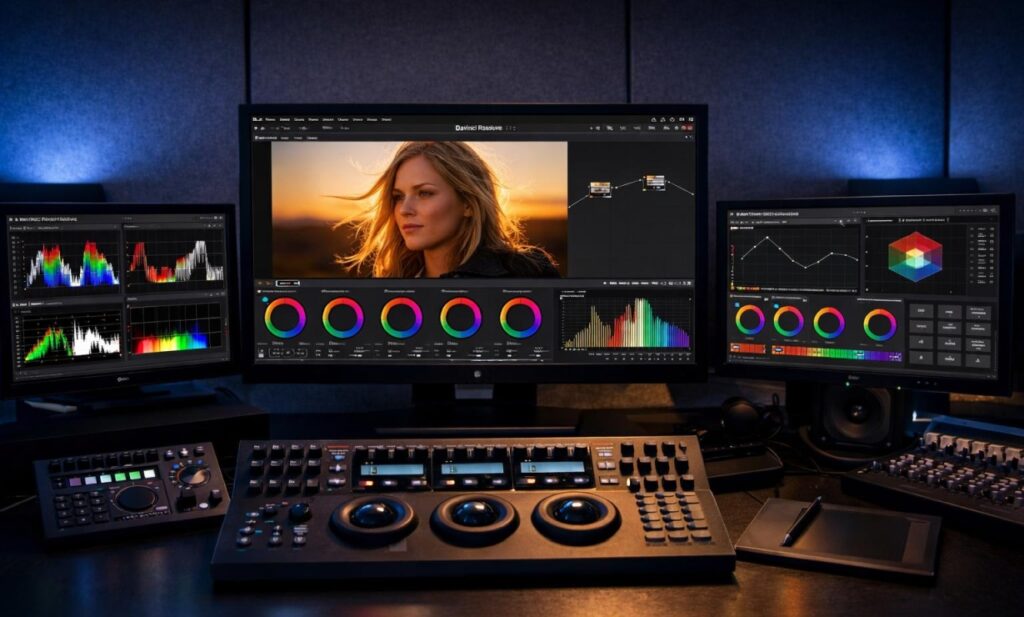
Benefits of using Motion Graphics
Investing in motion graphics brings tangible benefits:
Increase engagement - Animated content generates a much higher engagement rate (engagement rate) than static graphics. Users spend more time watching animations.
Better recall of the message - People remember 95% of information conveyed through video, compared to 10% from text. Motion graphics combine the power of image and motion.
Versatility - One piece of motion graphics can be used across multiple channels: website, social media, presentations, events or display advertising.
Professional image - High-quality animations demonstrate a modern approach to communication and build trust in the brand.
Elements of Effective Motion Graphics
For motion graphics to do its job, it needs to include several key elements:
Clear message - Even the most impressive animation will not produce results if the message is unclear. Simplicity and clarity of message is key.
Consistent visual identity - Colours, fonts and animation style should be consistent with the company's book branding to reinforce brand recognition.
Proper timing - The rhythm of the animation is of paramount importance. Too fast a pace can be overwhelming, too slow - boring. A professional animator knows how to find the golden mean.
Music and sound effects - The audio layer significantly enhances the perception of the animation. Dynamic music and matching sound effects make motion graphics more immersive.
Motion Graphics creation process
The production of professional motion graphics consists of several stages:
Brief and concept - Initially, the communication objective, target group and key message are established. The creative concept is then developed.
Script and storyboard - Development of a detailed script and storyboard that visualises each animation scene.
Graphic design - Creation of all visual elements: graphics, icons, typography in programs such as Adobe Illustrator or Figma.
Animation - Bringing static elements to life in software such as Adobe After Effects, where movement, transitions and effects are added.
Sound design - Adding music, voiceover (if required) and sound effects.
Finalisation - Revisions, corrections and export of material in appropriate formats and resolutions.
Trends in Motion Graphics 2026
The world of motion graphics is constantly evolving. Here are the most important trends:
Minimalist and flat design - Simple, clean forms with flat colours still dominate, but enhanced with subtle gradients and shadows.
3D animation - More and more projects are combining 2D motion graphics with 3D elements, which adds depth and realism.
Kinetic typography - Animated text has become a storytelling tool in its own right, particularly popular on social media.
Morphing and smooth transformations - Smooth transitions between shapes and scenes create a mesmerising visual effect.
Summary
Motion graphics are a powerful visual communication tool that allows brands to stand out in a crowded digital landscape. Investing in professional animated graphics translates into higher audience engagement, better message recall and building a modern corporate image. If you want to effectively communicate your brand values, motion graphics should be in your marketing arsenal.
Frequently Asked Questions - FAQ
- How long does it take to produce motion graphics?
Simple motion graphics (15-30 seconds) can be completed in 1-2 weeks. More complex projects with dedicated illustrations and complex animation can take 3-6 weeks.
- What is the optimum length for motion graphics?
For social media: 15-30 seconds. For website: 30-60 seconds. For presentations: 60-90 seconds. Remember: shorter = better attention retention.
- Can I use motion graphics in paid advertising?
Yes! Motion graphics work well in Facebook Ads, Instagram Ads, YouTube Ads and LinkedIn Ads. It often generates better results than static graphics.
- Do I need a voiceover for motion graphics?
Not always. Many effective motion graphics work only with music and text on screen. A voiceover is useful when the message is more complex or for an audience that listens without looking.
- What file formats will I receive?
Standard: MP4 (for social media and the website), MOV (higher quality), GIF (short loops). You can also request a project file (e.g. After Effects) for an additional fee.
- Does motion graphics work on mobile devices?
Definitely! 75% video is viewed on smartphones, so a good studio always designs with mobile-first in mind.